Where lead is used on a roof
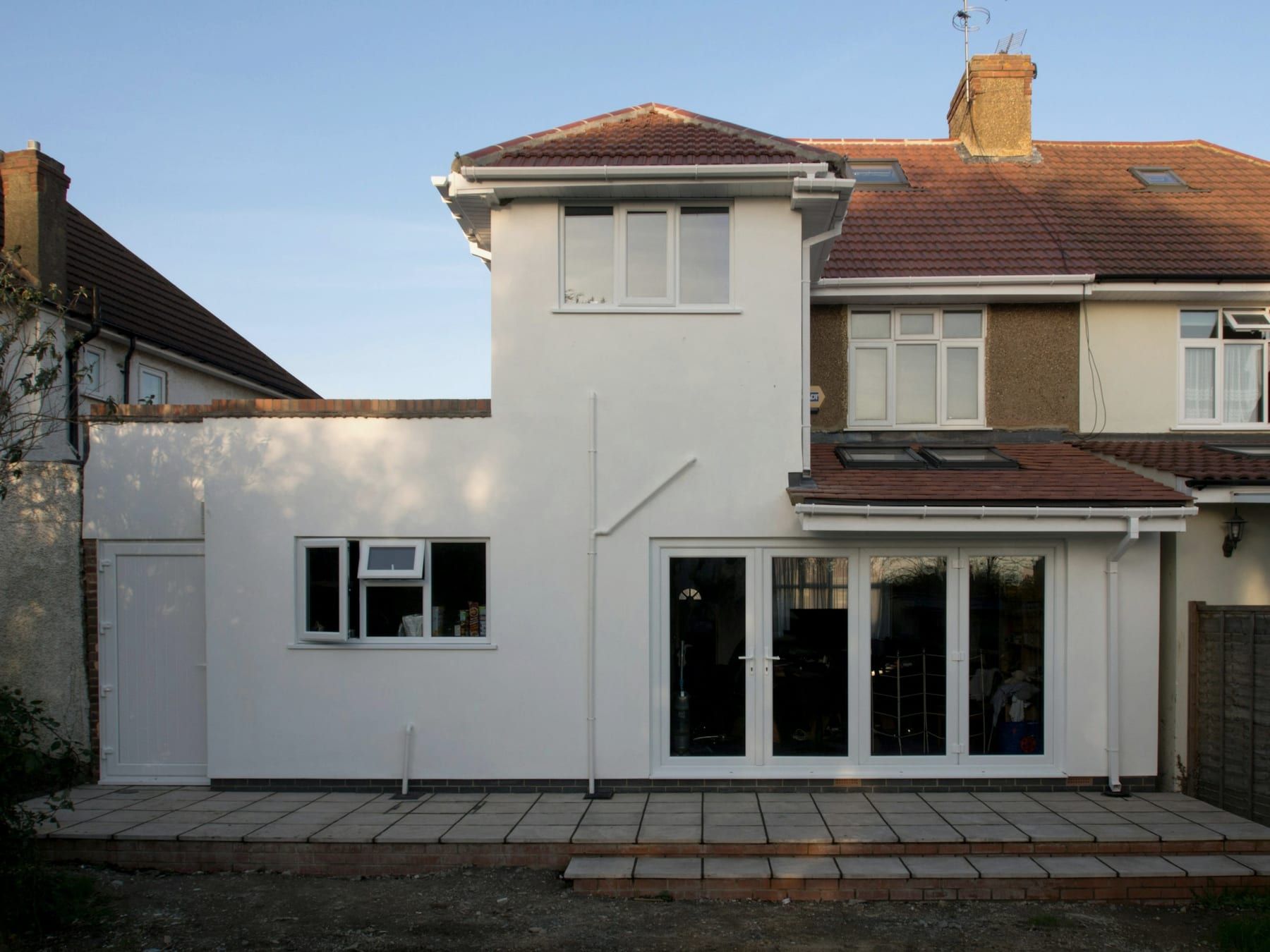
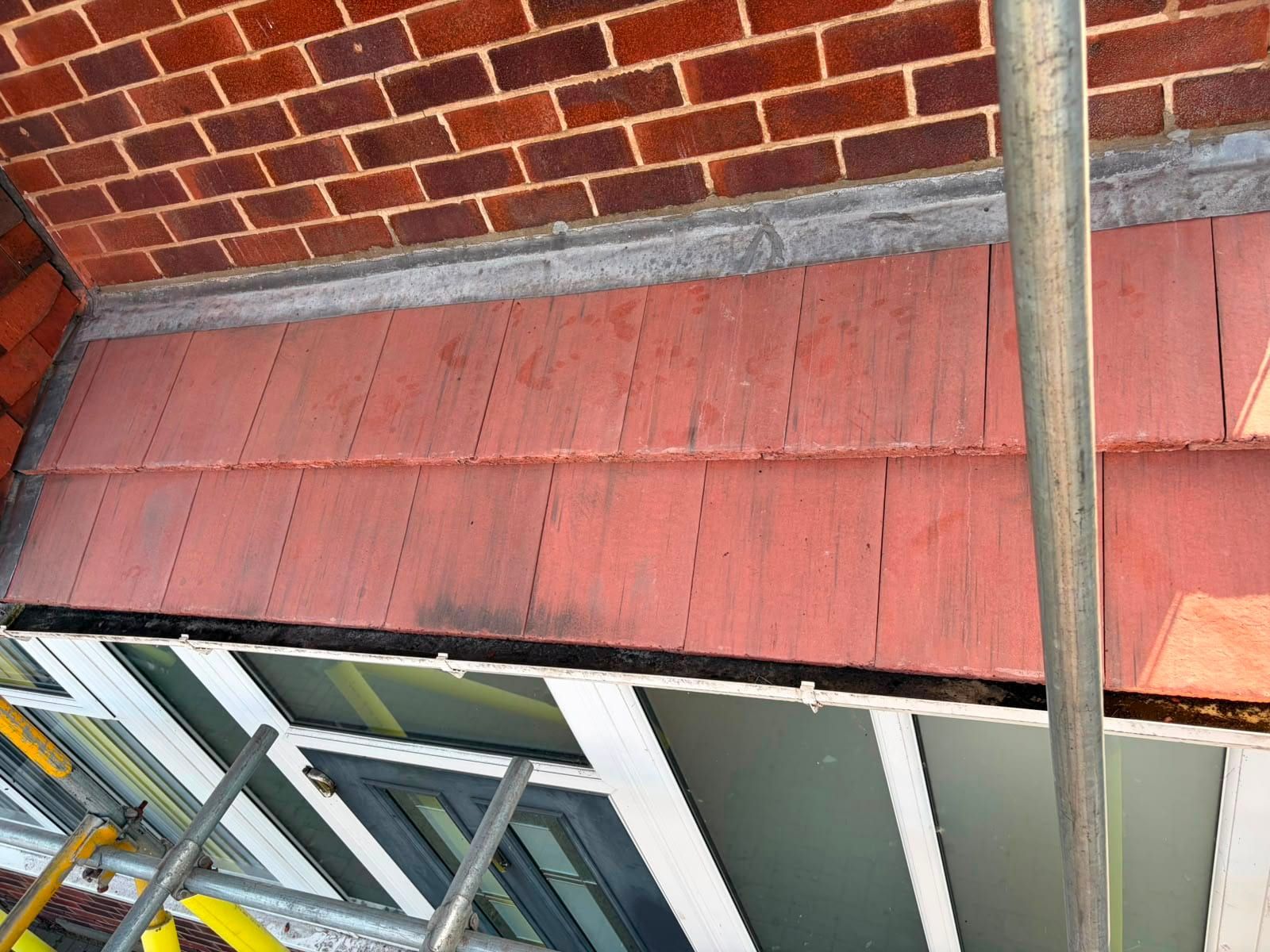
- Abutment flashings where a roof meets a wall, such as a lean-to, extension or bay roof. The bay roof in Jon’s photo has lead flashing where the tiles meet the brickwork.
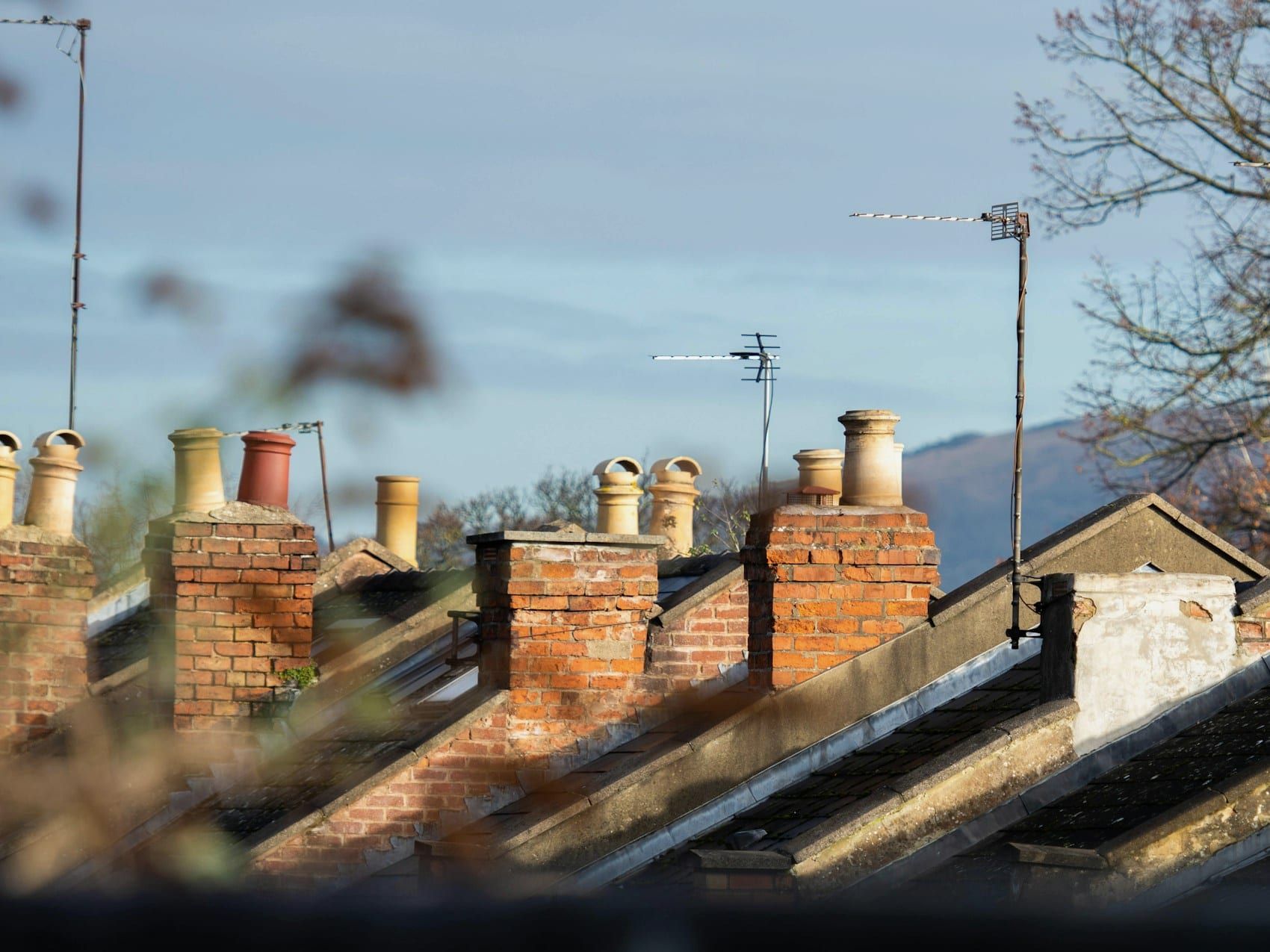
- Chimney flashings round the base of the stack. See chimney repairs.
- Valleys where two slopes of roof meet.
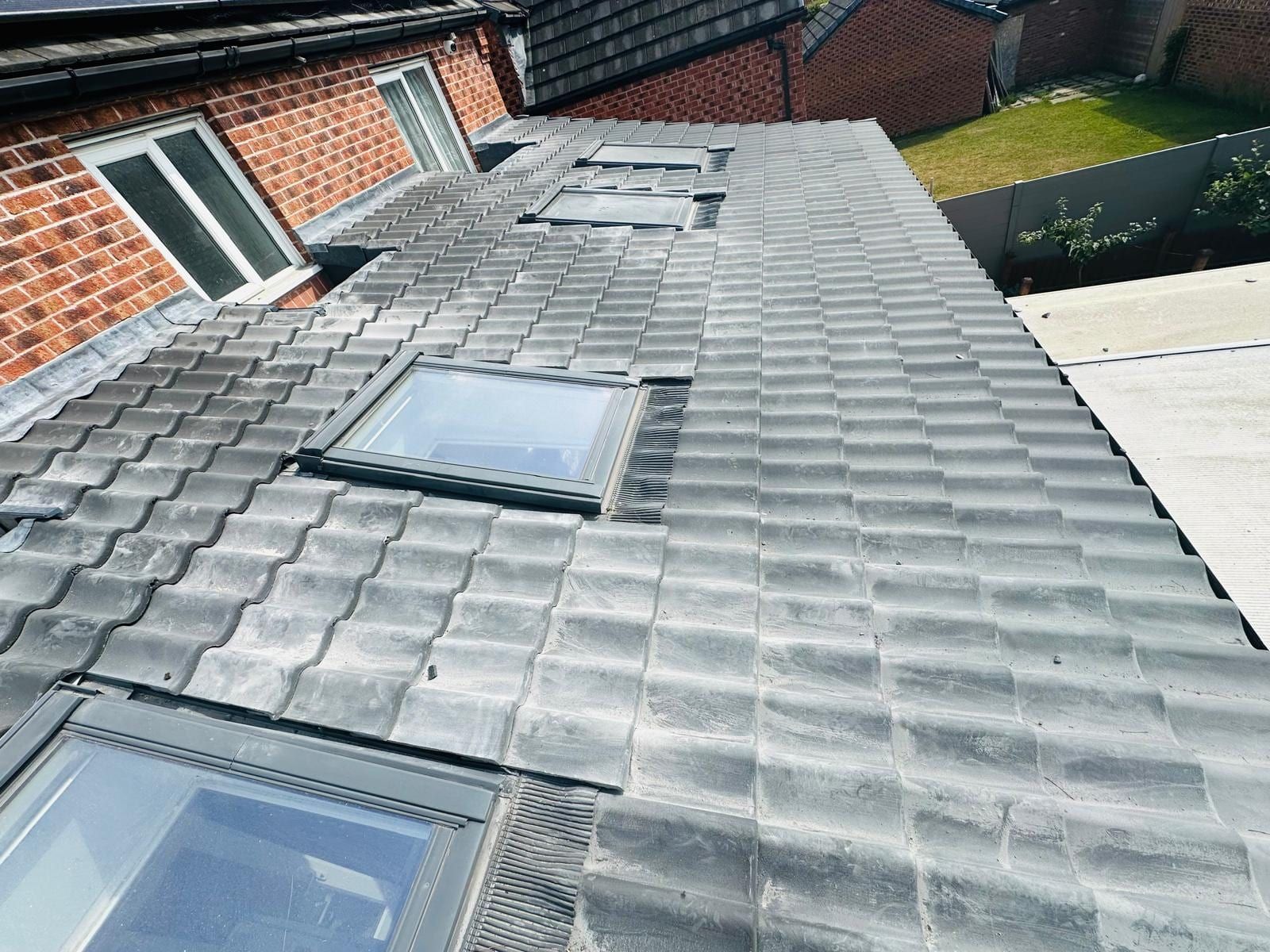
- Roof windows and dormers, where the flashing has to seal round the frame.
- Bay window roofs, which are often covered entirely in lead.
Signs lead work has failed
- damp patches on a ceiling or wall next to a chimney, wall or roof window
- lead that has lifted, split or come out of the wall
- missing mortar along the top edge of a flashing
- water stains running down the inside of a chimney breast
How lead work is done
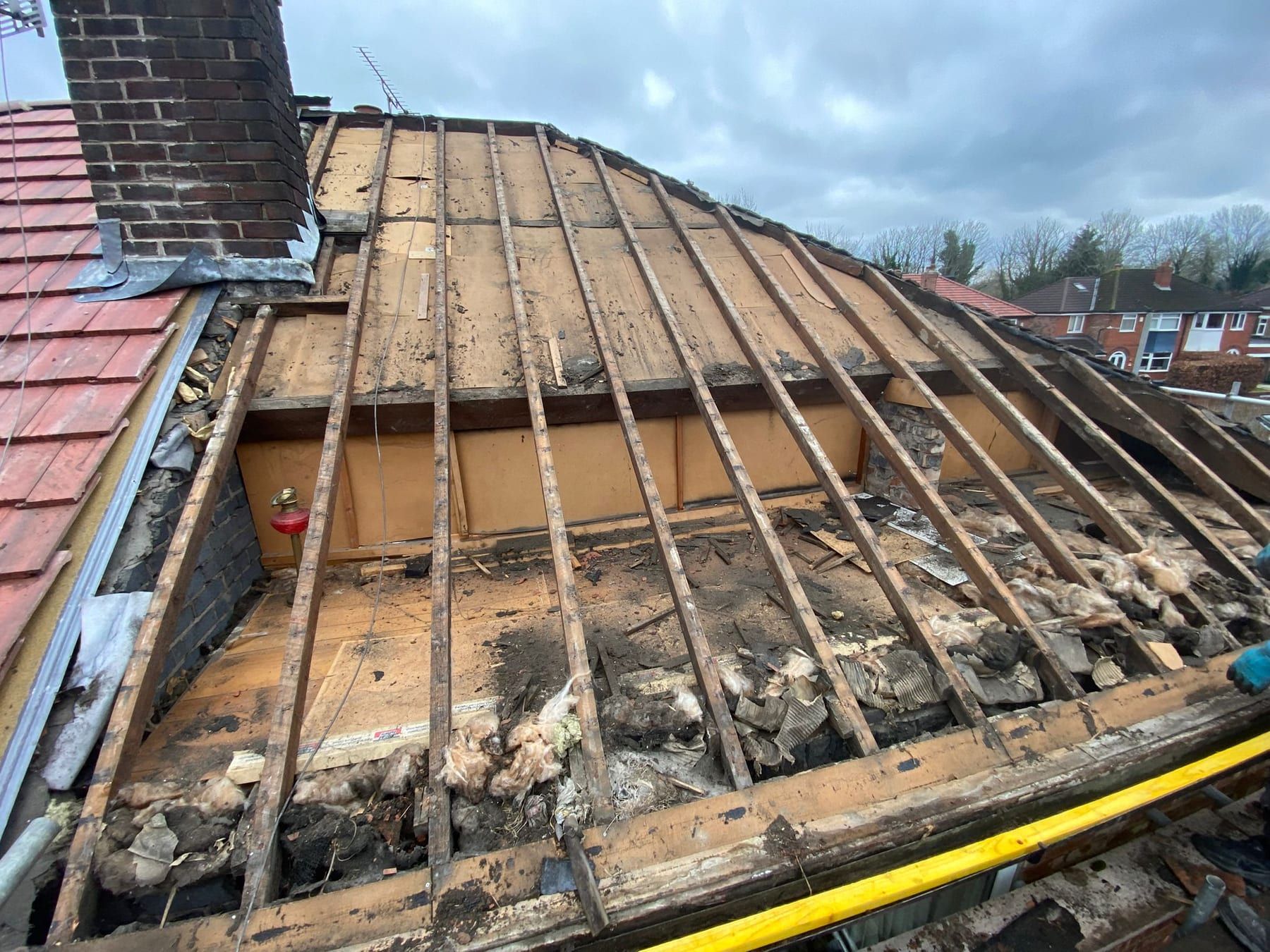
- Old lead off. Damaged or failed lead is carefully removed.
- Prepare the join. The joint in the wall is raked out and cleaned so the new lead can be dressed into it.
- New lead fitted. New lead is cut and dressed to shape, in lengths that allow it to move with the weather without splitting.
- Fixed and sealed. It is fixed into the wall and pointed or sealed.
Leaks round chimneys and walls
Failed flashing is one of the most common causes of roof leaks, because water runs down walls and chimneys straight into the join. If you have damp near a chimney or wall, see leak repairs. UK Rhino Roofing is open 24 hours, 7 days a week.
Quotes are free. Send Jon a photo of the area on WhatsApp to get started.