Roof leaking? Call now
Jon’s phone is on 24 hours a day, 7 days a week. If water is coming in, call 07405 848277. He will tell you straight away whether he can get to you, and if not, what you can do to limit the damage until he can.
While you wait:
- put a bucket or tray under the drip
- move furniture and belongings out of the way
- keep clear of any light fittings or sockets near the water, and turn off the power to that area if it is safe to do so
- take photos for your insurer
- do not go up on the roof yourself
The guide roof leaking: what to do before the roofer arrives has more.
Where leaks usually come from
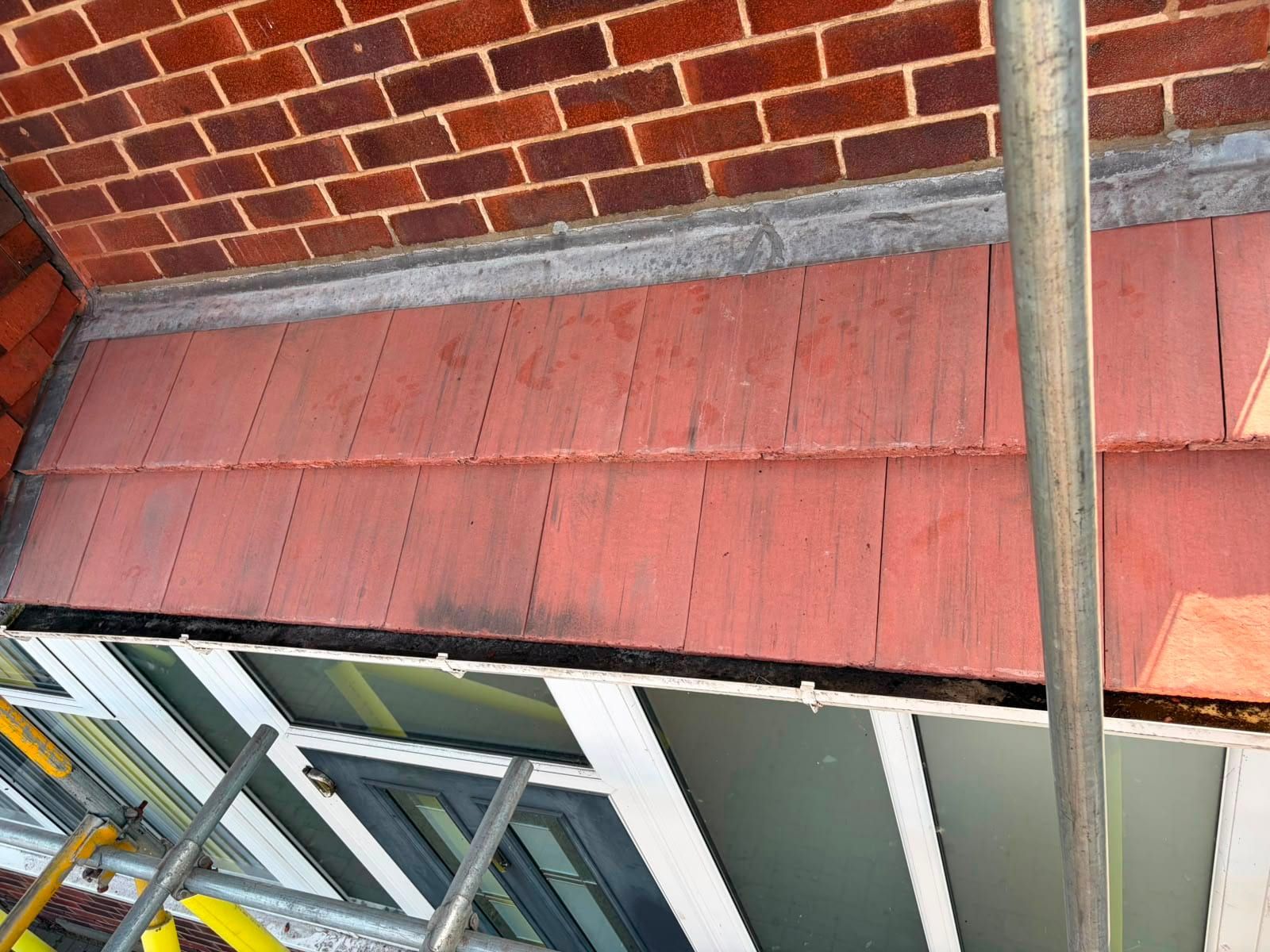
- Flashings round chimneys, walls and roof windows, where lead or other seals have cracked, lifted or been badly fitted. See lead work.
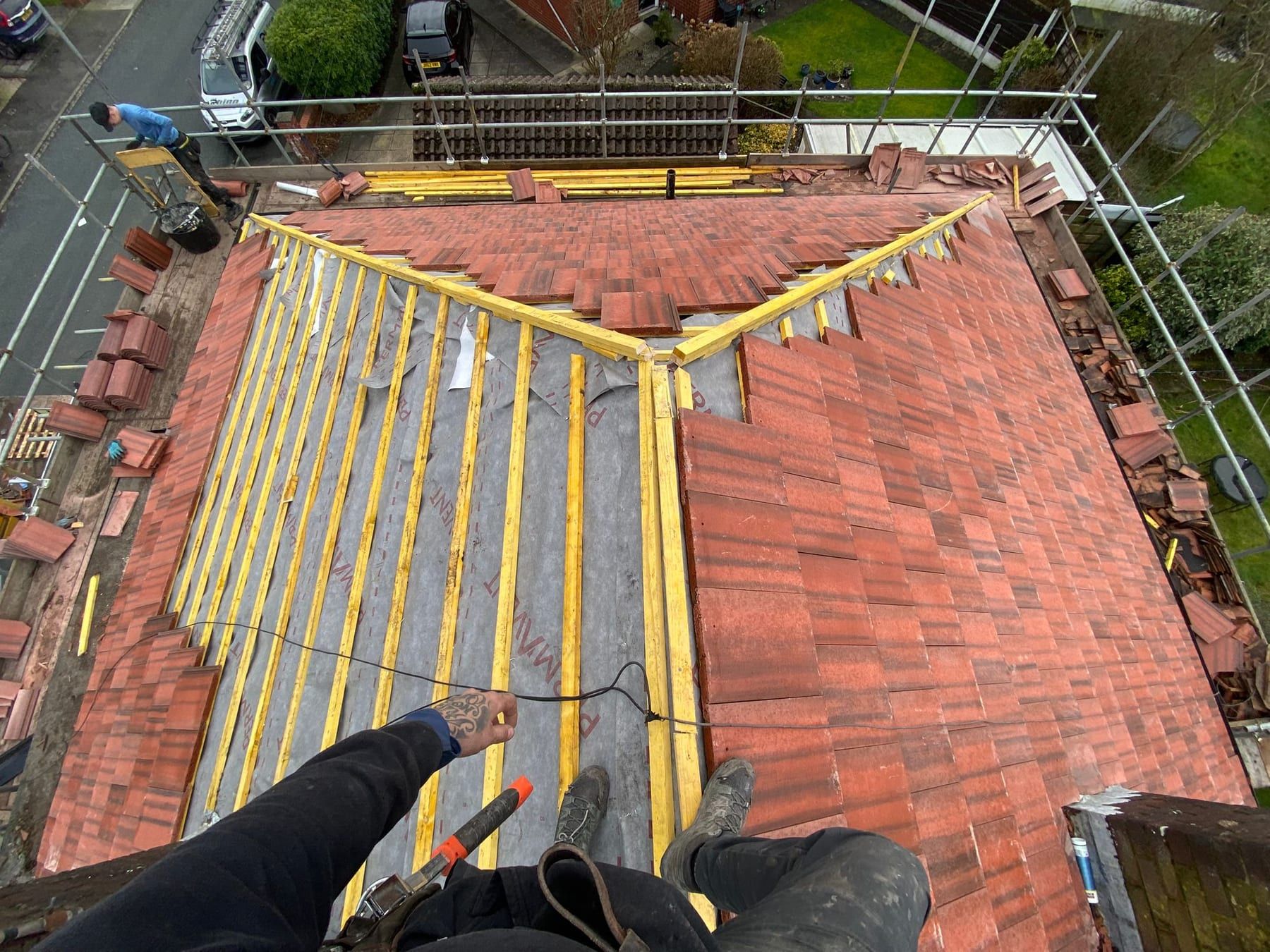
- Valleys, where two slopes meet and a lot of water runs off.
- Slipped or cracked tiles and slates, often after high winds. See slate and tile repairs.
- Ridge and hips, where old mortar has failed.
- Chimneys, through cracked flaunching, poor pointing or a failed flashing. See chimney repairs.
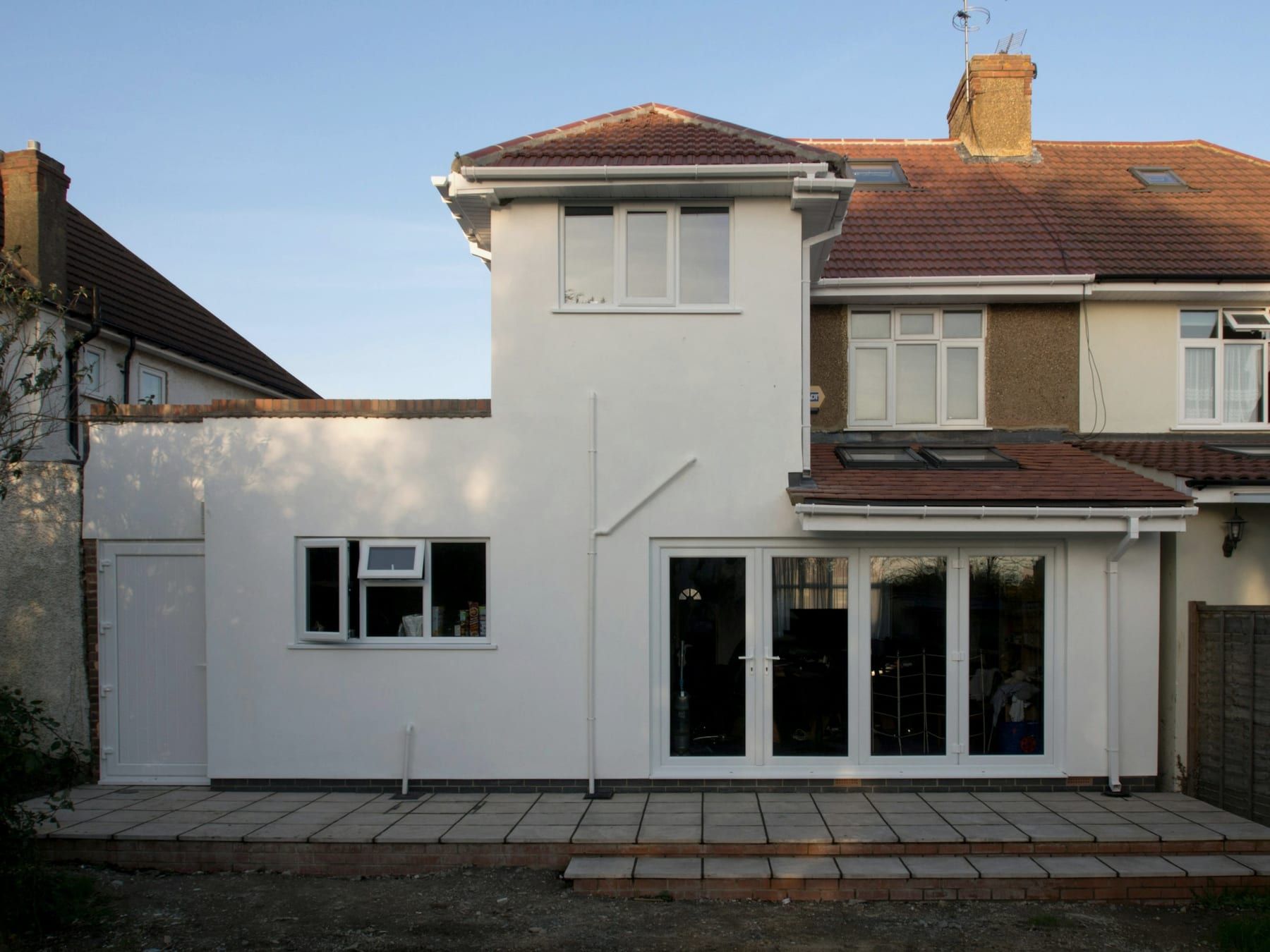
- Flat roofs on extensions, garages and dormers, through splits, blisters and worn edges. See flat roofs.
- Blocked or overflowing gutters, which can push water back under the roof edge. See guttering.
How Jon finds and fixes a leak
- Look inside first. Where there is access, the loft is checked to see where water is getting in and how far it has travelled.
- Check the roof. The likely entry points above that area are checked: flashings, valleys, tiles, ridge and chimney.
- Make it safe. If a full repair cannot be done straight away, the area can be made watertight for the time being.
- Repair the cause. The damaged part is repaired or replaced, and you are told what was wrong.
When it keeps happening
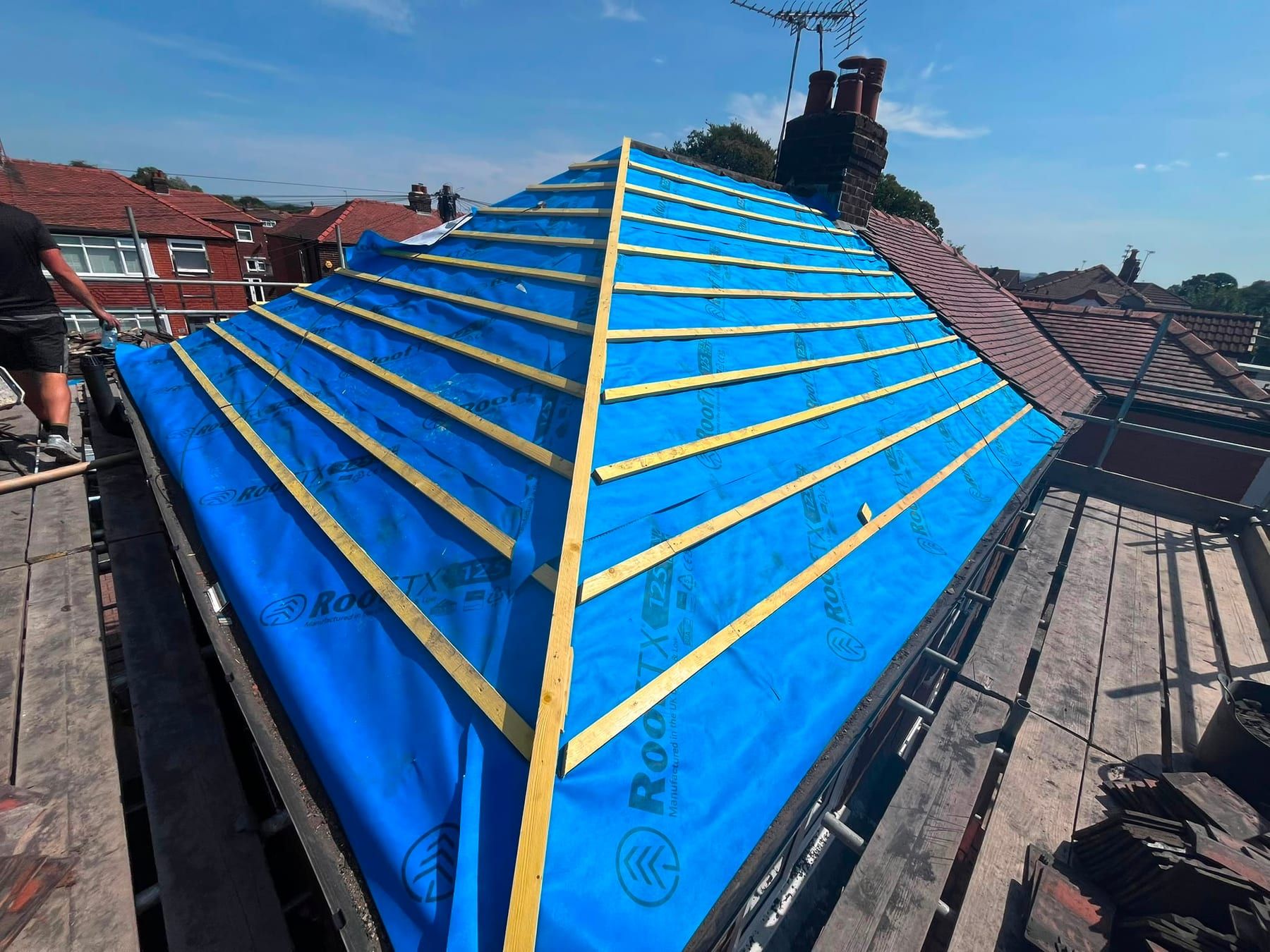
A roof that leaks in a new place after every repair is often telling you the felt or covering has reached the end of its life. A roof inspection will tell you whether you are looking at more repairs or a new roof.